Erik Hansen, MD now serving patients in Charleston, SC and surrounding areas.

The CATALYSTEM Primary Hip System is an implant system for total hip replacement. It’s designed to restore hip function by replacing the damaged parts of the joint. The system is made with OXINIUM Technology, an award-winning implant material.1
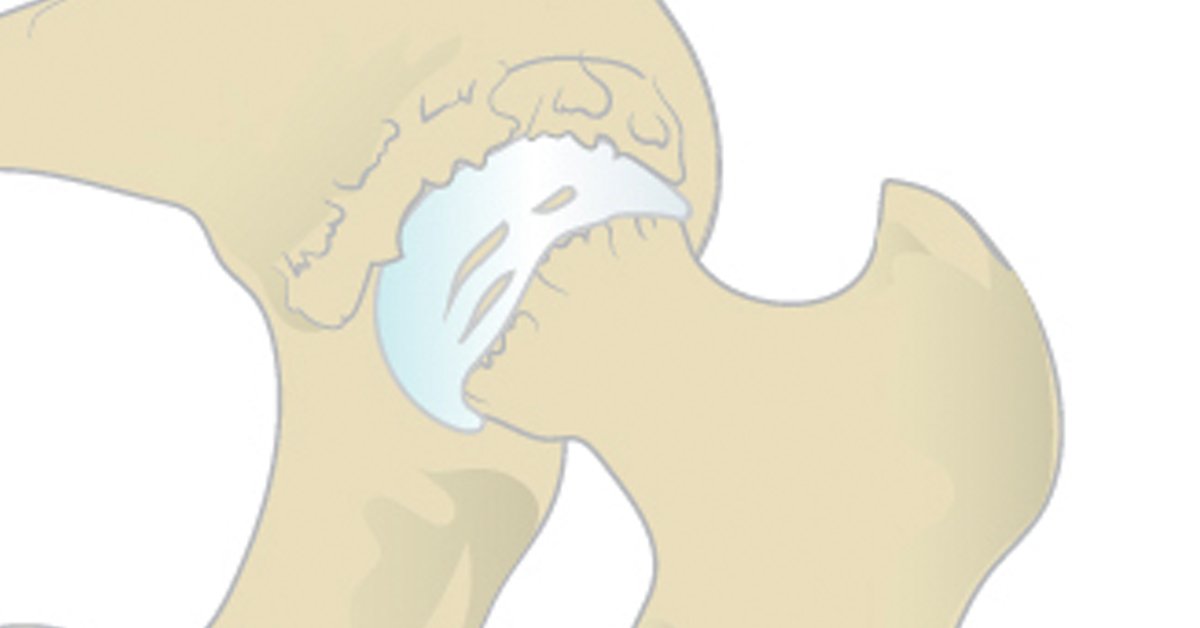
The hip is known as a ball-and-socket joint. The natural “ball” is the femoral head – that is, the top of the femur (thigh bone). The natural “socket” is the acetabulum – the indention in the pelvic bone.
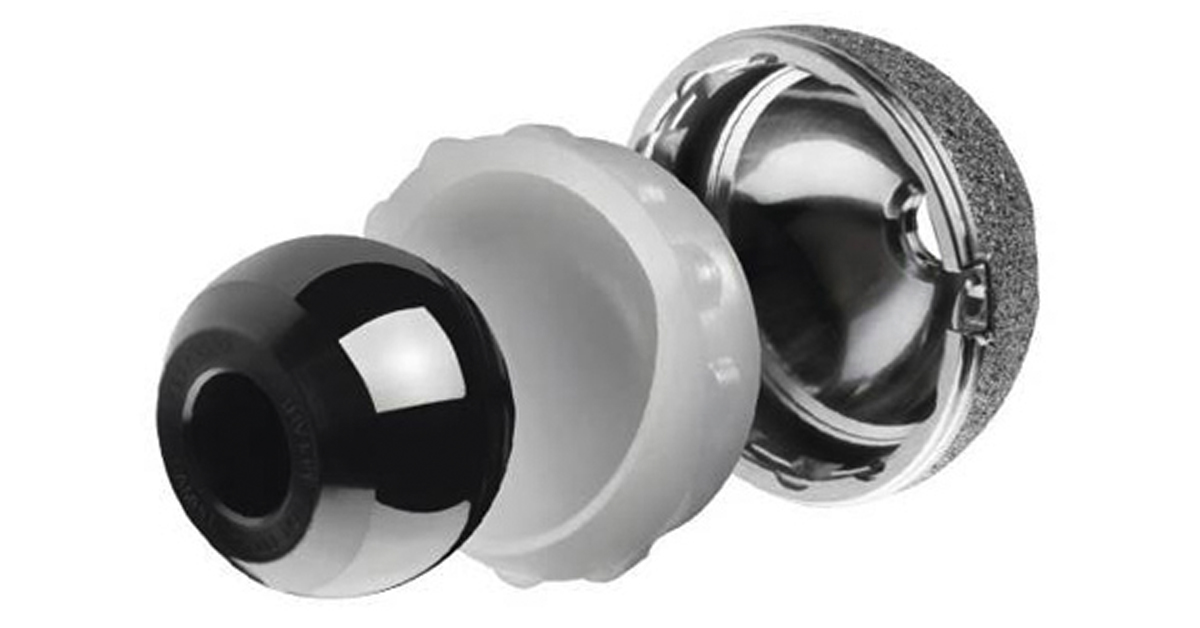
During hip replacement surgery, the CATALYSTEM System is used to replace the damaged parts of the joint. Although the name highlights the “stem,” a hip implant system has several components:
The ball component is made with OXINIUM Technology, an award-winning implant material.1 It was developed by Smith+Nephew for strength and durability, and is available only in Smith+Nephew implants.2-5 The material is visible in black in the image.
The OXINIUM material is made from the metal zirconium. Through a special process, the metal is “ceramicized” – transformed into a material that has the wear performance of ceramic but the toughness of metal.2,3,7-9
Studies have compared implants made with the OXINIUM material to those made with cobalt chrome, another common material. Lab results have shown that OXINIUM implants offer:3-6*
The CATALYSTEM System is often used with a direct anterior approach to surgery – that is, an incision along the front (anterior) of your hip. The system may also be used with a back (posterior) or side (lateral) approach. Your doctor will choose the approach that is best suited for your anatomy.
To learn more about hip replacement and the CATALYSTEM System, talk to your doctor. Ask about treatment options for your hip pain.
All information provided on this website is for informational purposes only and is not meant as medical advice. Not everyone is a candidate for joint replacement, and individual results of joint replacement will vary. Implants are intended to relieve hip pain and improve function but may not produce the same feel or function as your original hip. Every patient's case is unique, and each patient should follow his or her doctor's specific instructions. Potential risks include loosening, wear, and infection that may result in the need for additional surgery. Please discuss nutrition, medication, and treatment options with your doctor to make sure you are getting the proper care for your particular situation. If you are seeking this information in an emergency, please call 911 and seek emergency help.
◊ Trademark of Smith+Nephew. The information on this site is intended for US residents only © 2026 Smith+Nephew. 49123 1/2026
* The results of in vitro wear simulation testing have not been proven to quantitatively predict clinical wear performance.
All materials copyright © 2024 Smith & Nephew, All Rights Reserved.