John Scovell, MD now serving patients in Dallas, TX, Frisco, TX and surrounding areas.
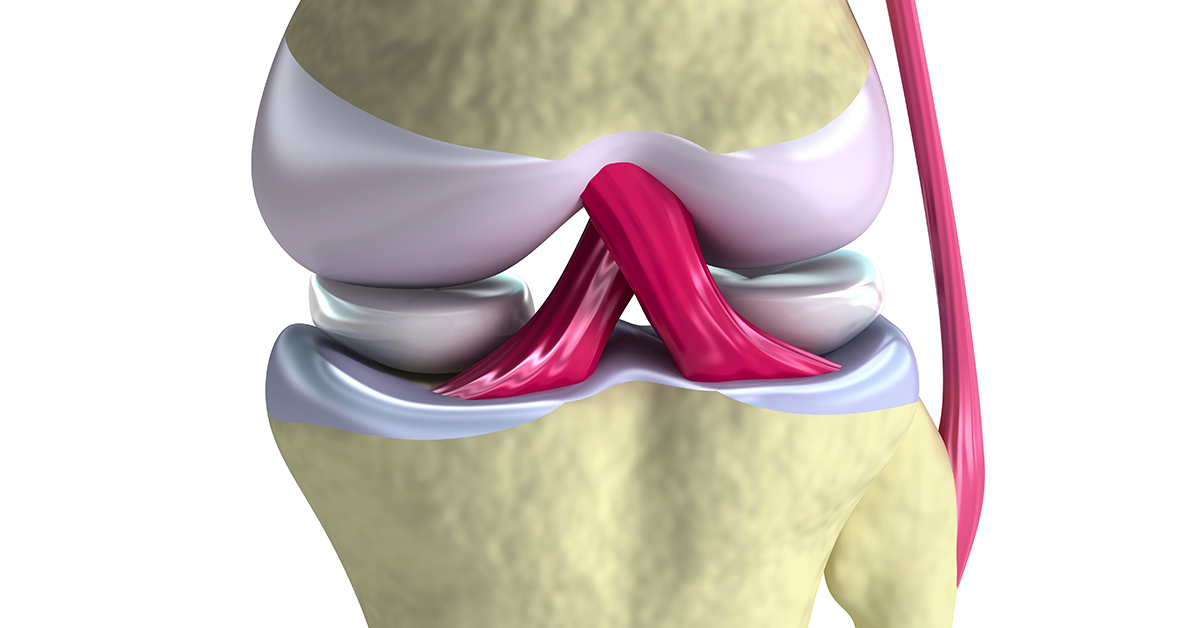
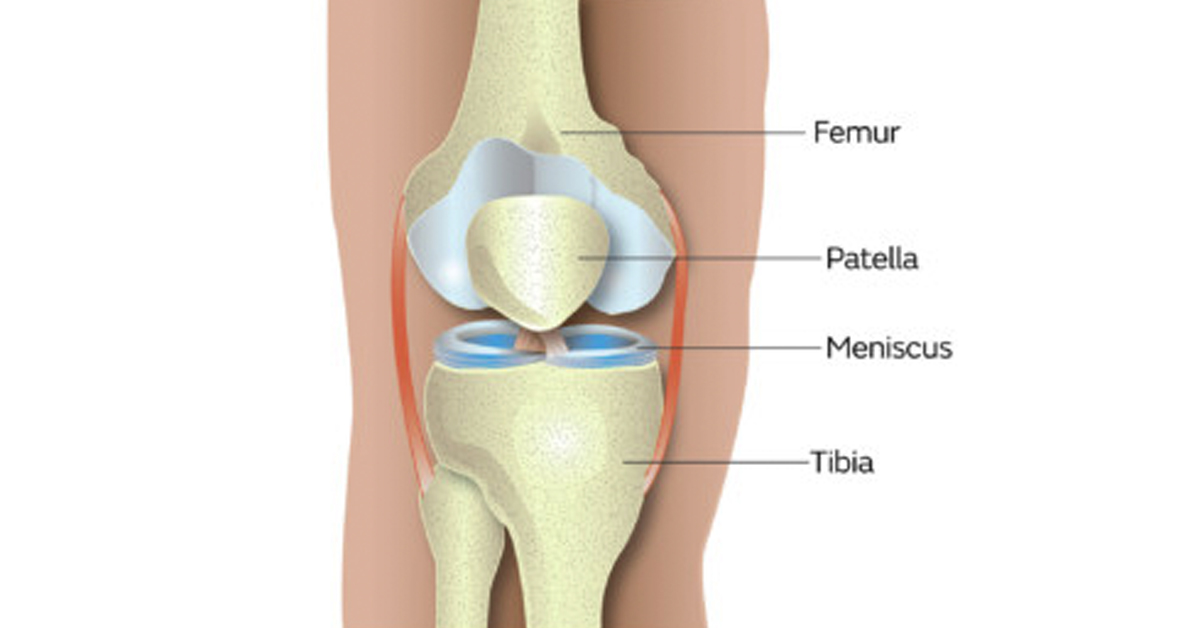
The knee is a complex joint made up of different kinds of tissues – bones, ligaments, tendons, and cartilage. Healthy knee cartilage is key for joint stability and ease of movement, whether you’re taking care of daily tasks or playing high-intensity sports.

There are two main types of cartilage in the knee:
This is the slick, shiny cartilage that covers the ends of the bones. In the knee joint, this means the ends of the thigh bone (femur) and shin bone (tibia). The articular cartilage helps the bones glide smoothly during movement.
This is the spongy, rubbery cartilage that sits between the bones. The meniscal cartilage, often called the meniscus, serves as a cushion or shock absorber in the knee joint.
When cartilage becomes damaged – either through injury or wear – knee pain can result. Arthritis and other problems may also develop.
If you’re experiencing knee pain or have been told you have cartilage damage, make an appointment with your doctor. Treatments to repair knee cartilage – such as the CARTIHEAL◊ AGILI-C◊ Cartilage Repair Implant – may offer a possible solution for your pain.
All information provided on this website is for informational purposes only and is not meant as medical advice. Not everyone is a candidate for knee repair with the CARTIHEAL AGILI-C Cartilage Repair Implant, and individual results will vary. Every patient’s case is unique, and each patient should follow his or her doctor’s specific instructions. Potential risks include infection, transient or chronic pain, and swelling, among others, that may result in the need for additional medical intervention. Discuss your condition and options with your surgeon. If you are seeking this information in an emergency situation, please call 911 and seek emergency help.
◊Trademark of Smith+Nephew. 48716 12/2025
All materials copyright © 2024 Smith & Nephew, All Rights Reserved.